


Have you ever stared at a maths problem and thought, “I’m never going to get this”? Or tried a new sport, struggled with it and decided it just wasn’t for you? Then there’s that friend who seems to draw effortlessly, remembers everything the teacher says or picks up a musical instrument and somehow just knows what to do with it.
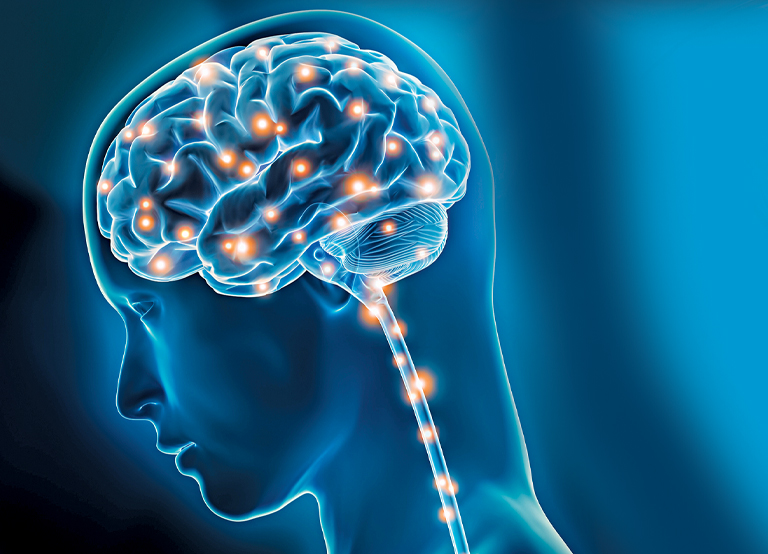
It’s easy to assume that some people are simply born good at things. But the human brain is far more interesting than that. It has the ability to change, adapt and learn throughout our lives. Scientists call this neuroplasticity.
Our brain contains billions of nerve cells called neurons, which constantly communicate with one another. When we learn something new or practise a skill, the connections between these cells can change and become stronger.
Think about walking through a field of tall grass. The first time you cross it, you have to push your way through. Take the same route every day and, before long, you’ll have created a path. Something similar happens when you learn. Long division that once seemed impossible starts making sense. Your fingers begin finding the right notes on the keyboard without so much thought. That tricky tennis serve slowly becomes easier.
Of course, this doesn’t mean that doing something over and over again will magically make you brilliant at it. We all have different strengths. How we practise matters too, as do good teaching, patience, rest and sometimes, simply trying another way.
What neuroplasticity does tell us, however, is that struggling with something doesn’t always mean we’re bad at it. Often, it simply means we haven’t learnt how to do it yet.
So, the next time something feels impossibly difficult, don’t be too quick to decide that you can’t do it. Give yourself time. Try again. Ask for help. Try a different approach. Your brain may just surprise you!
Share