


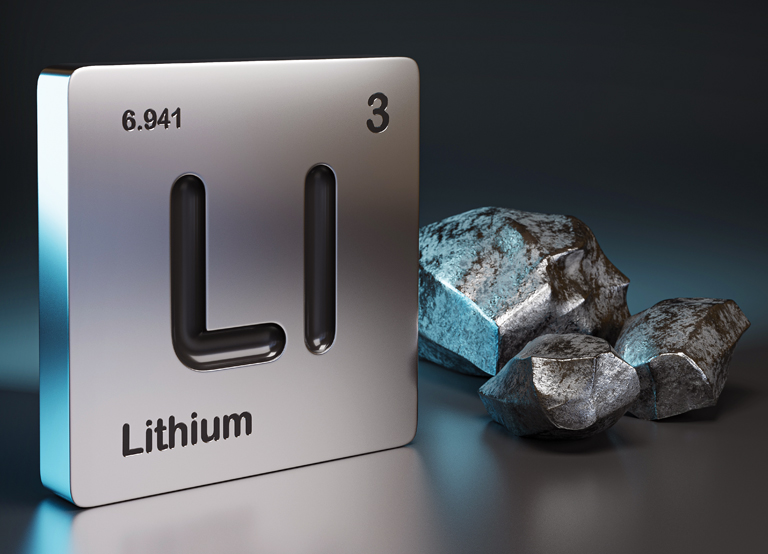
These are referred to as critical minerals or rare earth minerals and they power many of the technologies we use daily. Lithium and cobalt are used in electric vehicle (EV) batteries, helping cars run without petrol or diesel. Neodymium is used to make the powerful magnets inside smartphones and headphones. Another mineral, dysprosium, helps giant wind turbines generate electricity for entire towns.
Interestingly, these minerals are not actually ‘rare’. They are found in many places around the world, but only in tiny amounts mixed into rocks and soil. Extracting them is difficult, expensive and often messy for the environment.
As countries race to build a cleaner, greener future, demand for these minerals has exploded. Experts estimate that the world may need nearly three times more minerals than needed in the old oil-powered economy. A single electric car battery can require kilograms of lithium, nickel, cobalt and graphite.
The demand is rising not just because of electric cars, but also artificial intelligence, data centres, robotics, advanced defence systems and renewable energy projects, all of which depend on these minerals. As a result, the competition to secure supplies has begun to resemble a modern-day gold rush. In fact, lithi um is now often referred to as ‘white gold’.
Countries are signing billion-dollar deals, reopening old mines and even exploring the deep ocean in search of new deposits. Recently, China introduced restrictions on exports of some critical minerals, increasing concerns in the United States and Europe about supply chains and access to these resources.
India is also stepping into this race. Lithium reserves discovered in Jammu and Kashmir and investments in EV batteries, electronics and clean energy could make these tiny minerals a big part of India’s future.
The next great global competition may not be for oil—but for the minerals powering the technologies of tomorrow.
Sushant Suri, CFA, FRM, CAIA, CFP is a finance educator with 20+ years of experience. He is the founder of FinGuru and has trained 20,000+ students globally for the CFA Program, with experience across leading investment firms. He is passionate about simplifying complex financial concepts and helping young readers understand money, careers and the evolving world of finance. He can be reached at [email protected]
Share