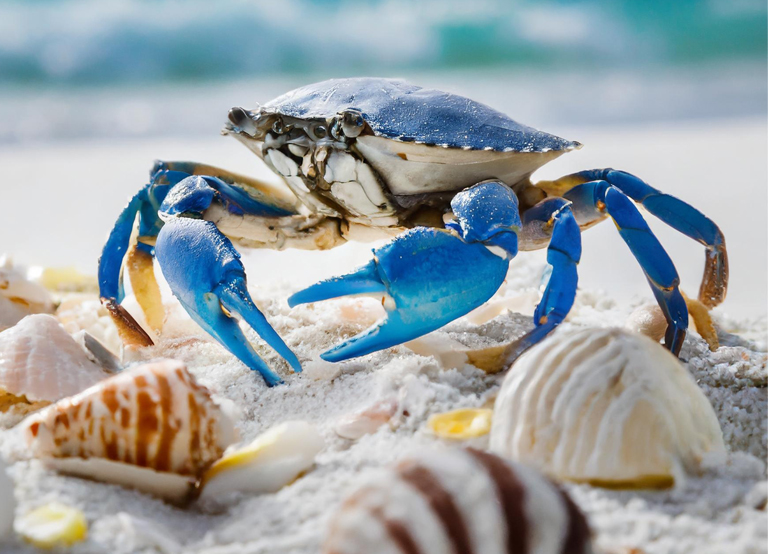
To control the population of invasive blue crabs, which have had a negative impact on Italy’s fishing industry, scientists have introduced approximately 1,30,000 octopus paralarvae in the Adriatic Sea.
October 01, 2026
To control the population of invasive blue crabs, which have had a negative impact on Italy’s fishing industry, scientists have introduced approximately 1,30,000 octopus paralarvae in the Adriatic Sea. The blue crabs, which are believed to have reached the water in the region through the ballast water of ships, feed on other aquatic creatures and damage fishing gear, causing significant economic losses. According to scientists who are part of the initiative called Octo-Blu, once the octopus paralarvae reach adulthood, they will feed on the crustaceans, helping control the invasive species’ population. Thus, the common octopus, which is naturally found in the Adriatic Sea, is expected to help revive the water’s ecological stability.
DID YOU KNOW? Apart from changing their skin colour, octopuses can also change the texture of their skin to match their environment, making them excellent at camouflage.