
Nutritional Benefits of Amaranth
Amaranth is a nutritious, gluten-free grain with many health benefits. It is a special plant-based protein that contains all the essential amino acids, making it a complete protein. Protein helps keep our muscles strong and supports the proper working of all body parts. Amaranth is also rich in iron, which helps make healthy blood and carry oxygen throughout the body. It provides calcium to keep bones and teeth strong. The fibre in amaranth helps digestion and keeps the tummy full for longer. It gives steady energy, helping children stay active, focussed and energetic all day.
Know More: Amaranth
Amaranth (rajgira) is an ancient grain-like seed and leafy plant.
Type of Plant
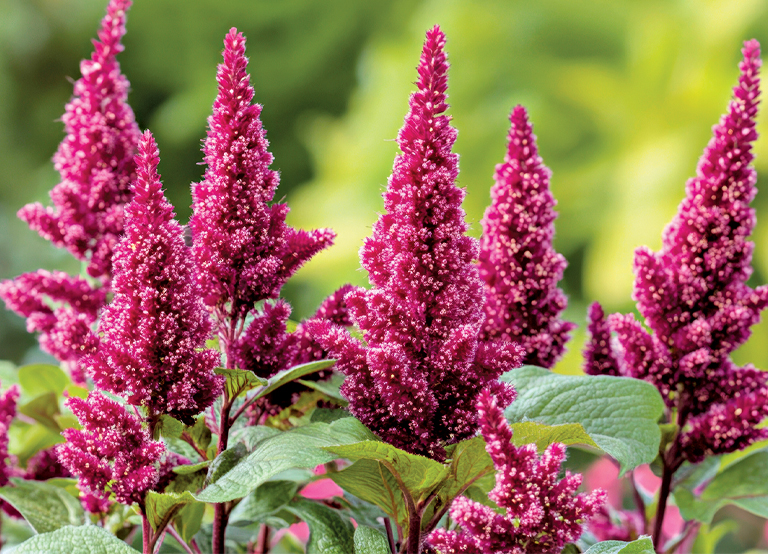
Amaranth is a fast-growing flowering plant. It is a leafy crop and classified as a pseudocereal.
Plant Characteristics
- Amaranth is a tall annual plant with broad green or reddish leaves and long clusters of tiny flowers.
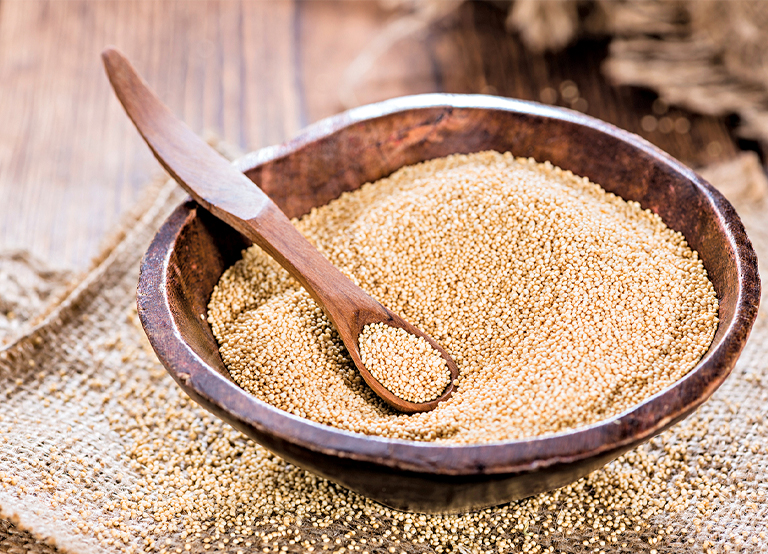
- The plant produces thousands of tiny seeds that can be eaten like grains.
The Crop
- Amaranth is usually grown during warm seasons in well-drained soil with plenty of sunlight.
- In India, it is cultivated in Uttarakhand, Himachal Pradesh, Maharashtra, Karnataka, Tamil Nadu and parts of the Himalayan region.
Interesting Biological Facts
- Amaranth is considered a pseudocereal because it is eaten like a grain but does not belong to the grass family like wheat or rice.
- Amaranth seeds are naturally rich in protein, iron, calcium and fibre. They also contain lysine, an important amino acid needed for growth and repair in the body.
DID YOU KNOW?
- Amaranth leaves are commonly cooked as a vegetable in many Indian homes.
- The bright flower heads of some amaranth species can remain colourful even after drying.
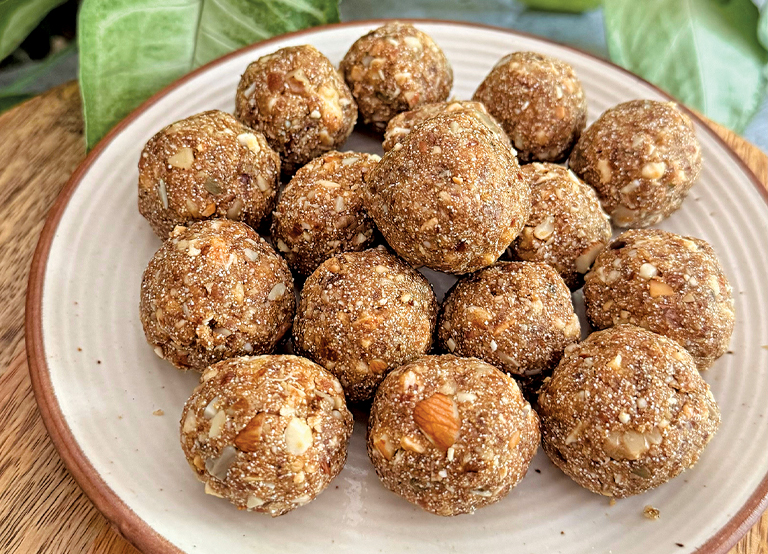
AMARANTH, NUTS & SEEDS LADDOO

INGREDIENTS
- ¼ cup unsalted peanuts
- 2 tablespoons dry coconut powder
- ½ cup makhana
- ¼ cup mixed nuts and seeds
- ½ cup amaranth flour
- ½ teaspoon cinnamon powder
- ½ cup dates (about 120 grams)Â
- ¼ cup raisins (about 30 grams)
- 2 tablespoons unsweetened peanut butter
- â…“ cup ghee
METHOD
- In a pan, dry roast the peanuts. Remove their skin and grind them coarsely.
- Lightly roast the coconut powder in the same pan until aromatic and remove from the pan.
- Add a little ghee to the pan, roast the makhana until crunchy and grind them coarsely.
- Add a little more ghee and roast the chopped nuts and seeds (walnuts, cashews, almonds, Then remove them to the side.Â
- Add the remaining ghee to the pan and roast the amaranth flour until it smells nutty and aromatic. Remove from the heat.
- Transfer all the roasted ingredients to a bowl and add cinnamon powder.
- Grind the dates and raisins into a paste and add them to the dry mixture.
- Add peanut butter.
- Mix everything well. If the mixture feels dry, add a little melted ghee or peanut butter.
- Grease your palms with ghee and roll the mixture into small laddoos.
Warning: Ask a parent or adult to help with this recipe.Â