

This idea is at the heart of the United Nation’s Sustainable Development Goals (UN SDGs) and the growing focus on ESG—Environmental, Social and Governance. The message is simple—economic growth matters, but so does the impact that growth has on people and our planet.
India faces this challenge on a huge scale. Our economy needs to grow dramatically to become a developed country. As millions of Indians become more prosperous, we will need more homes, cars, air conditioners, factories and digital services. All of them need energy.
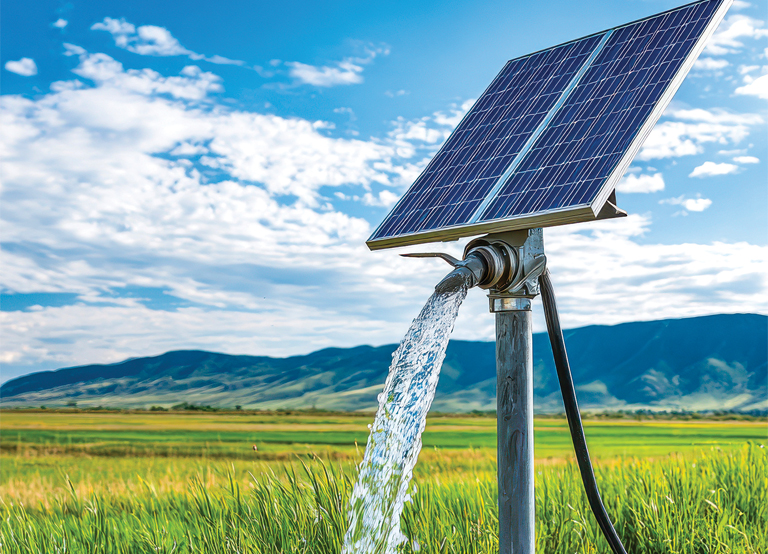
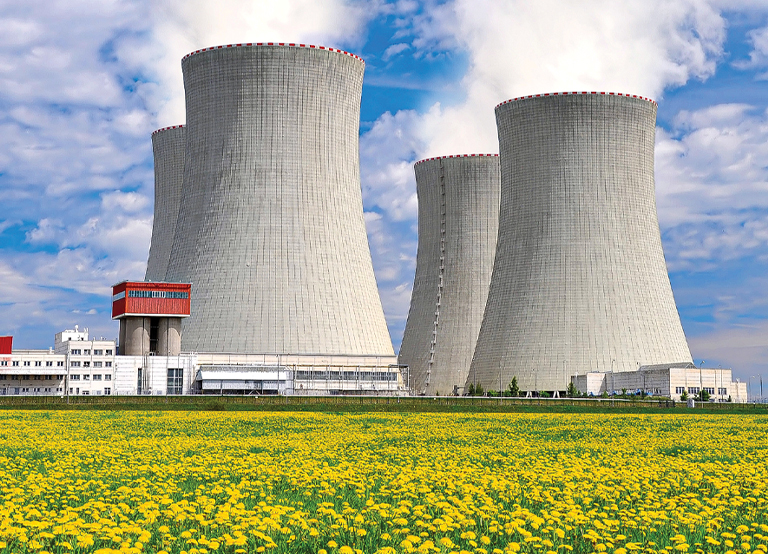
So where does that energy come from? India generates electricity using coal, natural gas, hydropower and nuclear, solar and wind energy. Renewable energy is growing rapidly, but coal still produces around two-thirds of India’s electricity. Coal is also one of the most polluting ways of generating power. However, India cannot simply switch off its coal plants overnight while electricity demand continues to rise.
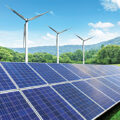
Instead, India has to build tomorrow’s energy system while keeping today’s system running. This means adding solar and wind, batteries, stronger electricity grids, hydropower and nuclear power while developing technologies such as green hydrogen.
This is called decoupling—growing the economy while reducing the pollution produced for every unit of economic output.
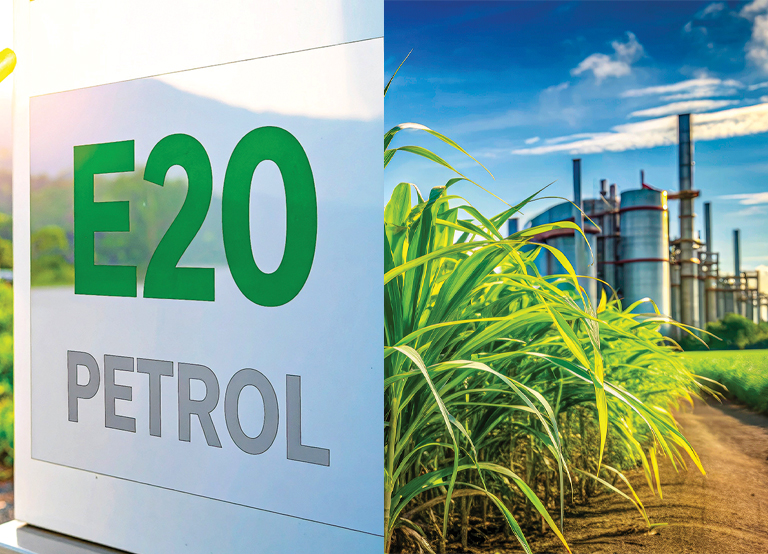
India is already taking steps in this direction. Ethanol-blended petrol can reduce the need for imported crude oil while creating a market for agricultural products. India has also set a target of 500GW of non-fossil electricity capacity by 2030 and net-zero emissions by 2070.
Other countries offer lessons. Japan and South Korea had few natural resources, yet became wealthy by investing in education, technology, manufacturing and infrastructure. India now has an opportunity to do something similar—using innovation rather than simply natural resources to power its growth.
The scale of India’s challenge means the world is watching. If India can create more jobs, higher incomes and more energy without creating proportionately more pollution, it could show other developing countries that becoming richer and building a cleaner future do not have to be mutually exclusive goals.