For decades, the world moved towards greater globalisation. Companies searched for the cheapest and most efficient places to manufacture products. A smartphone could be designed in one country, use chips made in another, be assembled elsewhere and sold worldwide. It worked because efficiency and low costs were the priority. But what happens when this carefully connected system is disrupted?
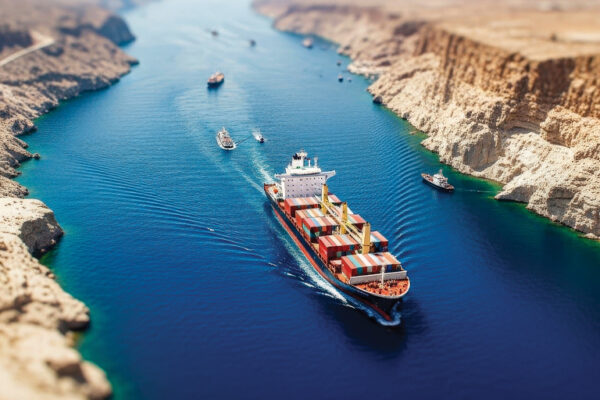
In 2021, the container ship of Ever Given became stuck in the Suez Canal for six days, delaying hundreds ships carrying goods around the world. The COVID-19 pandemic exposed an even bigger vulnerability. Factory shutdowns and shortages of components such as semiconductors disrupted industries from cars to electronics. Suddenly, the cheapest supply chain did not necessarily seem the safest.
This creates an important tradeoff. Producing in the cheapest location can keep prices low, but depending heavily on one source makes businesses vulnerable. Having several suppliers or keeping production closer to home may cost more but provides greater resilience. This has given rise to terms such as China+1, reshoring, nearshoring and friendshoring, as companies diversify manufacturing, bring production home, move it closer to important markets or choose suppliers in countries they consider reliable partners.
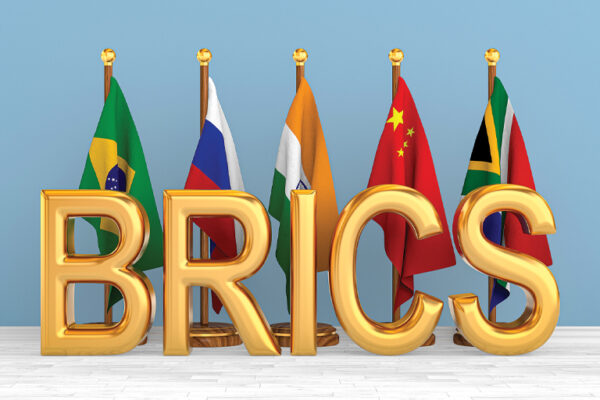
At the same time, another shift is taking place. After World War II, the United States emerged as the world’s dominant economic and military power. Its influence remains enormous, but power is increasingly spreading across the globe. China is a manufacturing giant, India is a major and rapidly growing economy and countries across Southeast Asia, the Middle East, Africa and Latin America are becoming increasingly important producers and markets.
The result is a more multipolar world, with several centres of economic and political power.
India’s Opportunity—and Challenge
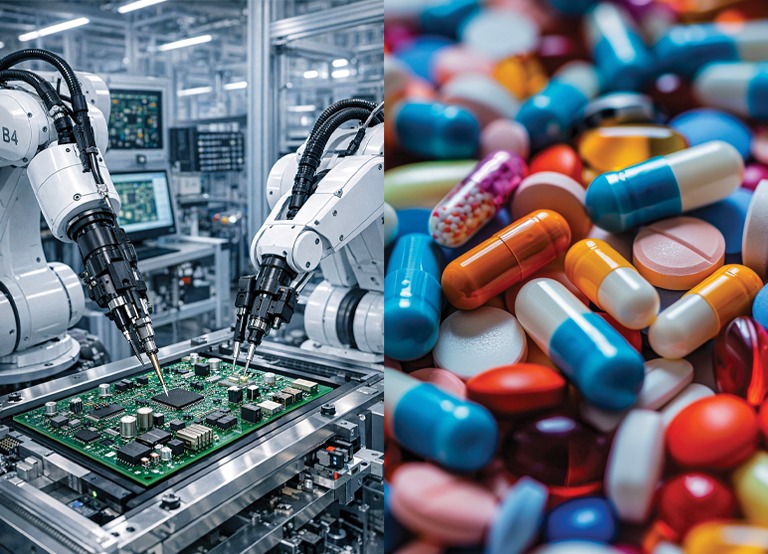
This is where ‘Make in India’ could become more than a slogan. India is building capabilities in electronics, semiconductors, pharmaceuticals, defence equipment and renewable-energy technology. The goal isn’t to make everything ourselves, but to become a reliable link in global supply chains.
However, countries such as Vietnam, Mexico and Indonesia are competing for the same investment. India’s success will depend on infrastructure, skilled workers, reliable electricity, efficient ports and competitive logistics.
The future may therefore be neither globalisation nor isolation, but a more diversified global economy, creating an opportunity for ‘Made in India’ to become part of a changing world economic order.