

India has been at the centre of this change. When UPI (Unified Payments Interface) was launched in 2016, digital payments were far from everyday life for millions of Indians. Today, UPI processes more than 24,000 crore transactions a year and accounts for about 49% of global real-time payment transaction volume. More than 700 banks are connected to the system.
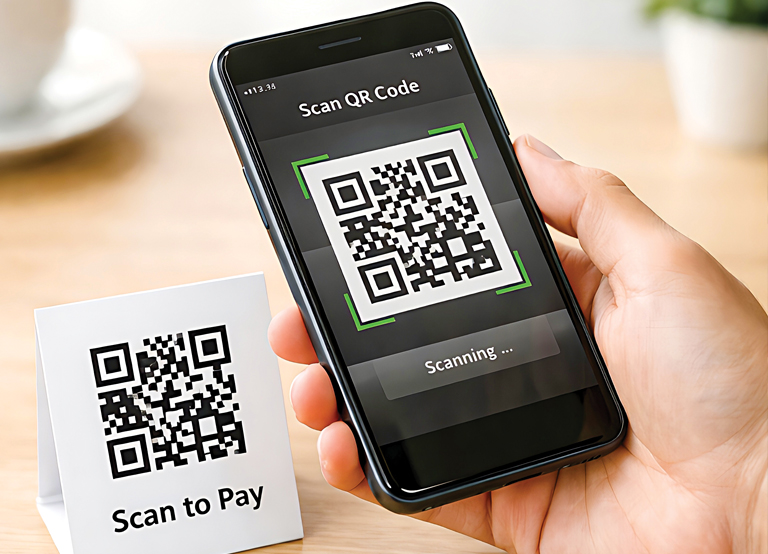
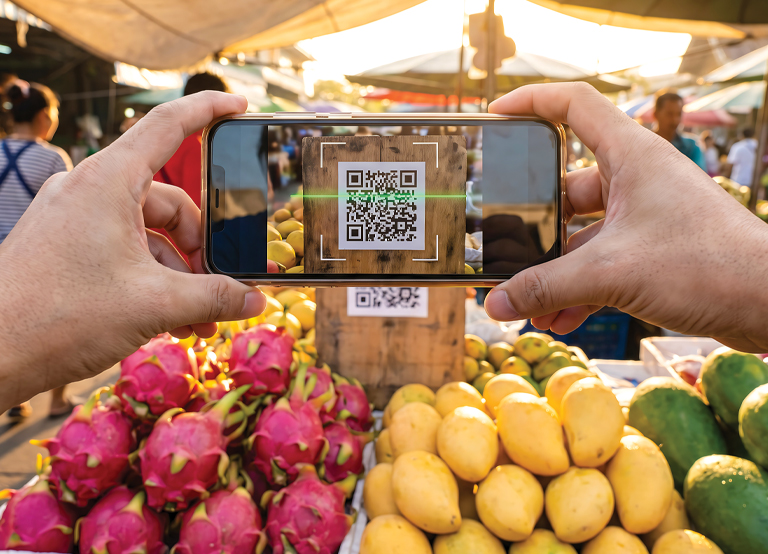
The transformation became even faster during COVID-19, when contactless payments became important. A vegetable seller, taxi driver or small shopkeeper could accept digital payments simply by displaying a QR code. Customers didn’t need cash and merchants didn’t need an expensive card machine.
One of UPI’s most important ideas is interoperability. Imagine if a PhonePe user could pay only another PhonePe user. UPI allows different banks and payment apps to communicate with one another—almost like creating one common language for digital payments.
This also lowers the transaction cost of moving money. A ₹20 payment can be made almost as easily as a ₹2,00,000 payment. When the cost and difficulty of accepting digital payments falls, millions of small businesses can participate more easily in the digital economy.

But digital payments are not actually free to operate. For now, ordinary users don’t pay a UPI fee and most merchants don’t either. The system is supported through government incentives and other funding arrangements. There is now discussion about introducing a Merchant Discount Rate (MDR) on some larger UPI transactions. This raises an important question—who ultimately pays for the infrastructure that makes digital payments possible?
India’s experiment is also going global. UPI is now live in 11 foreign countries, including Singapore, the UAE, France, Nepal, Bhutan and Sri Lanka. Connecting countries’ payment systems could eventually make cross-border payments and remittances faster and cheaper. Imagine sending money abroad without navigating several banks, intermediaries, currency conversions and delays.
But the digital future has risks too. Cybersecurity and fraud become critical when money can move instantly. Digital payments also create data about what we buy and where we spend, raising questions about privacy. And not everyone has a smartphone, reliable internet or the digital skills needed to use these systems. That is why cash is unlikely to disappear completely. The future may be cash-light rather than cashless.
So, Will Cash Ever Give Way to Only Digital Money?
Probably not. But the way money moves is changing dramatically. The next generation may grow up in a world where money is not something they think about carrying at all. It may simply move—instantly, digitally and increasingly across borders. And that little QR code at your neighbourhood shop? It could be one of the simplest signs of what the future of money looks like.
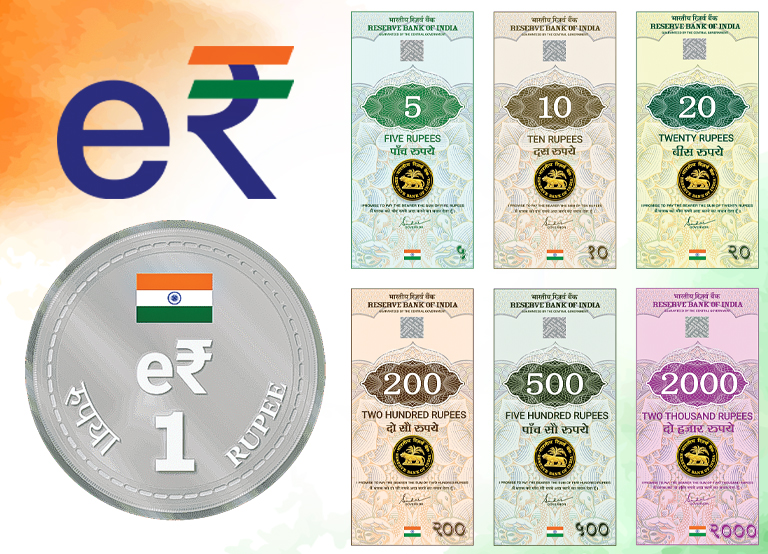
Digital Rupee
There is also something most people have never used—the Digital Rupee (e₹). The e` is India’s Central Bank Digital Currency (CBDC)—digital money issued by the Reserve Bank of India. It is different from UPI. UPI is a payment system; the e₹ is itself a form of digital money, similar to physical cash but stored in a digital wallet. The really interesting possibility is programmable money. A digital rupee could potentially be programmed for specific purposes— for example, a government benefit that can only be spent at certain types of merchants or within a specified period.