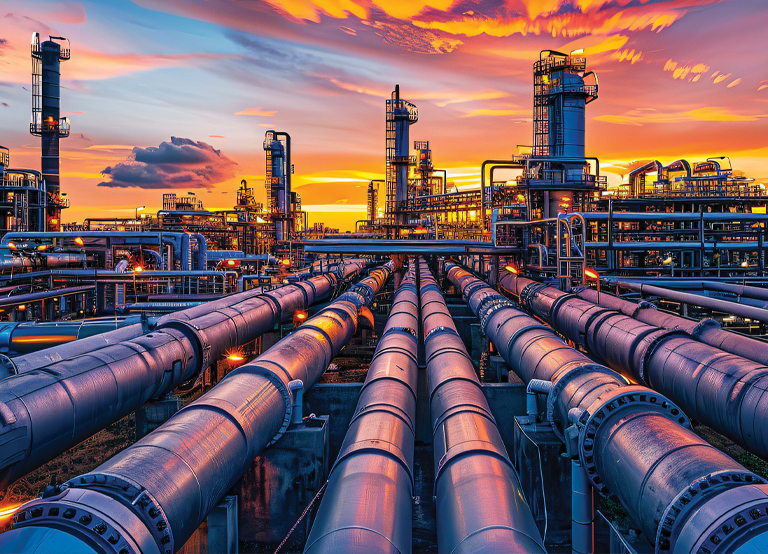
The United Arab Emirates (UAE), one of the world’s largest oil producers, has decided to leave the Organization of the Petroleum Exporting Countries (OPEC), a group of countries that has worked together for decades to set global oil prices.
Think of OPEC like a club of major oil-selling countries. By deciding how much oil to produce, the group has often been able to influence oil prices worldwide. But now the UAE wants more freedom to follow its own energy plans.
Over the past few years, the UAE has invested billions of dollars to expand its oil infrastructure and increase production capacity. However, OPEC production limits meant the country was often forced to keep some oil “in the ground” instead of selling it. Leaving OPEC now gives the UAE greater flexibility to produce and export more oil independently.
This could have important consequences for countries like India and China, which need huge amounts of energy to power their growing economies. India is already the world’s third-largest buyer of oil and imports most of the energy it uses.
If oil-producing countries compete more with each other instead of tightly coordinating supply, buyers like India may gain stronger bargaining power and possibly more stable prices. The UAE’s greater independence could also deepen its partnership with India.
During Prime Minister Narendra Modi’s visit to the UAE on May 15, the two countries signed agreements related to energy, LPG supplies, shipping, infrastructure and strategic oil reserves. India and the UAE are also exploring trade using rupees and dirhams instead of dollars.
Lower and more stable oil prices could help India control inflation, reduce fuel costs and give the economy more flexibility to grow. A decision taken in the deserts of the Middle East could quietly reshape India’s energy future for years to come.