

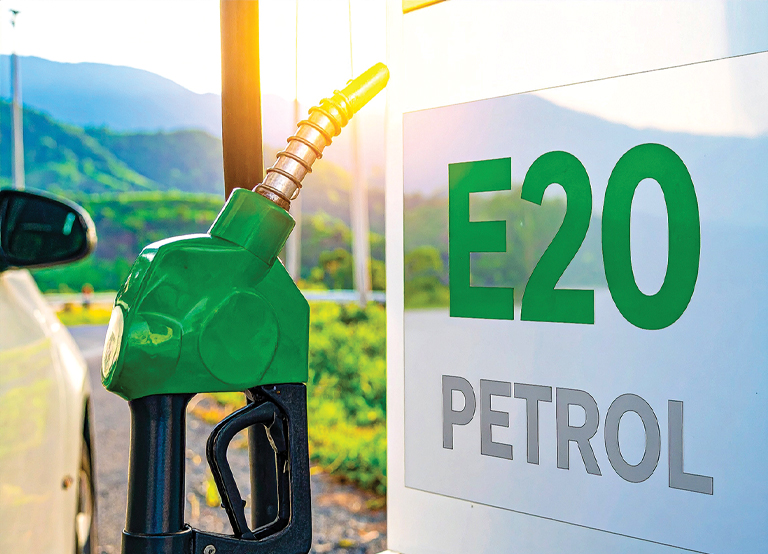
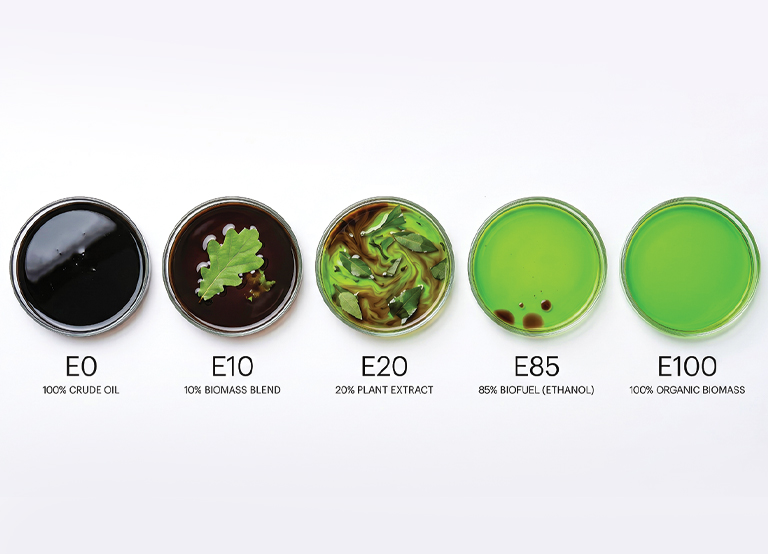
That’s the idea behind ethanol, a fuel made from plants such as sugarcane, maize, damaged food grains and agricultural waste. Instead of replacing petrol completely, India is gradually blending it with petrol. This is called E20 fuel, which contains 20% ethanol and 80% petrol.
Why is India doing this?
Because the country imports nearly 85% of its crude oil, making it vulnerable whenever global oil prices rise or shipping routes like the Strait of Hormuz face disruptions. Producing more fuel at home could reduce imports, strengthen India’s energy security, lower pollution and support farmers at the same time.
The inspiration comes from Brazil. During the oil crisis of the 1970s, Brazil was heavily dependent on imported oil and faced a severe economic shock. Instead of accepting this, it launched a nationwide ethanol programme using its abundant sugarcane. Over the next few decades, farmers, fuel stations and carmakers adapted together. Today, many Brazilian vehicles can run on E100–100% ethanol–and Brazil is both a leading biofuel producer and a net exporter of oil.
So, why didn’t India do this earlier? The answer lies in India’s unique challenges. Unlike Brazil, India has always had to balance energy security with food security. Sugarcane requires large amounts of water and farmland must first grow enough food for India’s huge population. Only in recent years–with better farming, improved technology and supportive government policies–has a large-scale ethanol programme become possible.
Will ethanol replace petrol completely? Probably not. But it could become an important part of India’s plan to reduce oil imports and build a cleaner, more self-reliant energy future.
Will E20 Work in Every Car?
E20 is a blend of 20% ethanol and 80% petrol. Most new petrol cars being sold in India are now designed to use E20 fuel safely. However, some older vehicles may not be fully compatible because ethanol can affect certain rubber and plastic parts over time.
Another concern is fuel efficiency. Ethanol contains slightly less energy than petrol, so some drivers may notice a small drop in mileage. However, ethanol also burns more cleanly and has a higher octane rating, which can help modern engines perform efficiently.
It’s important to remember that E20 is only for petrol vehicles that are approved for it. Diesel engines work differently and cannot simply switch to ethanol. Scientists are exploring other cleaner alternatives to diesel, such as biodiesel and renewable diesel.
As more E20-compatible vehicles enter the market, many experts believe these concerns will gradually reduce. Like any new technology, the transition takes time—but the goal is to make India less dependent on imported oil while moving towards cleaner fuels.
DID YOU KNOW?
- Sugarcane grown in Uttar Pradesh, Karnataka and Maharashtra supplies much of the ethanol used for fuel in India.
- Some of India’s ethanol is made from damaged or surplus food grains that are not suitable for people to eat.
- Scientists are developing second-generation ethanol from crop waste such as rice straw, reducing the need to burn agricultural residue.
- Almost all petrol-powered cars sold in India since April 2023 are E20 compatible.
- India achieved its target of 20% ethanol blending several years ahead of the original 2030 goal.
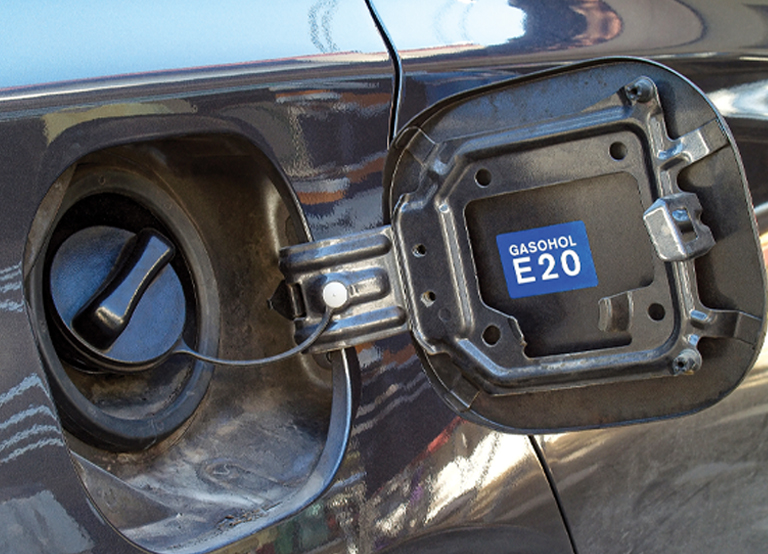
To verify if a specific car is safe for E20 fuel, check the fuel flap—manufacturers typically place a label indicating E20, E10 or E5.