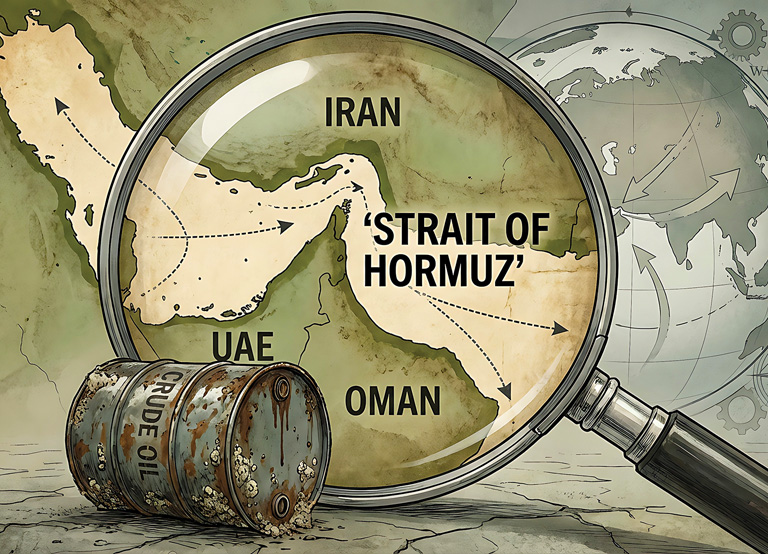
The Strait of Hormuz links the Persian Gulf to the open ocean and is one of the world’s busiest oil routes. About one-fifth of all global oil passes through this narrow channel daily, supplying countries across Asia, Europe and beyond. What makes this passage even more important is that there are almost no real alternatives. Unlike routes such as the Suez or Panama Canals, oil-exporting countries like Saudi Arabia, the UAE, Iraq and Qatar have very limited options if this passage is disrupted.
In recent weeks, uncertainty in the region has reduced ship movement through the Strait dramatically–from over 100 ships a day to just a handful–raising concerns about delays in global oil supply.
This matters greatly for India. India is the world’s third-largest oil importer and depends on imports for nearly 85 to 90% of its needs.
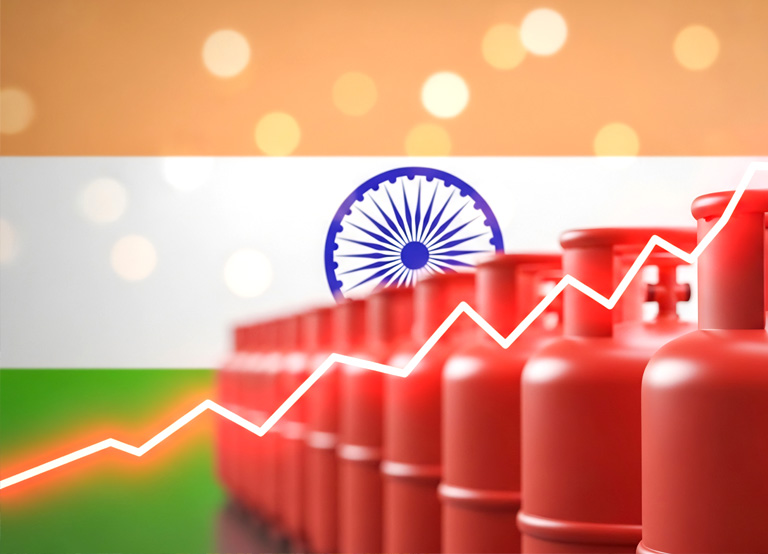
The impact goes beyond oil. Around 60% of India’s liquefied petroleum gas (LPG) needs are imported and most of it travels through this route—fuel used in millions of kitchens. India also imports a large share of fertilisers from the Middle East, which are essential for growing food.
Even though the Strait of Hormuz is small on the map, it acts like a vital artery for the global economy—and for India’s everyday life.

LPG Woes: Cooking Becomes Costlier
LPG, the fuel used in most homes and restaurants, has become more expensive and harder to manage and order. For families, this means higher monthly expenses. Many households are trying to use gas more carefully—cooking in batches, using induction, reducing wastage or delaying cylinder refills.
The impact is even sharper for restaurants like small eateries, street vendors and cloud kitchens as commercial LPG distribution has been slowed down. With rising fuel costs, their daily expenses have increased significantly. Some restaurants have started raising menu prices, while others are limiting their menus. Many are also exploring alternatives such as induction stoves, electric cooking or even traditional methods like coal and wood. However, many small businesses have been forced to shut down temporarily.

Rising Prices: A Real Concern
- One major impact of the rising prices is on food. Higher fuel costs make transportation more expensive—trucks carrying vegetables, fruits and grains now cost more to operate.
- Fertiliser prices are also under pressure as India imports a large share of its fertilisers and that has become more expensive, increasing the cost of farming.
- Air travel has become costlier as well. Airlines have begun increasing fuel surcharges as aviation fuel prices rise, resulting in higher ticket prices for passengers.
- When fuel becomes expensive, it creates a domino effect—the cost of producing, transporting and selling goods rises across the economy.
Financial Markets on Edge
One clear impact of the rising energy prices is on the Indian currency. As oil prices rise, India needs more US dollars to pay for most of its energy imports. This has pushed the rupee to a record low of almost ₹95 against the dollar, showing how global energy costs can affect the value of money.

DID YOU KNOW?
- Higher energy costs are affecting the broader economy. When a country spends more on imports like oil, its current account deficit widens. This puts further pressure on the currency and overall financial stability. Some estimates suggest that if disruptions in key energy routes continue, India’s GDP growth could slow by up to 0.5 percentage points.
- India now settles portions of its oil imports in other currencies—including Indian rupees and UAE dirhams.
- Stock markets have also reacted sharply. The Nifty 50 index has fallen to a seven-month low, dropping by nearly 10% in recent weeks. Markets have seen sudden sell-offs as investors grow cautious due to rising oil prices, global uncertainty and foreign investors pulling money out of Indian markets.