
History:
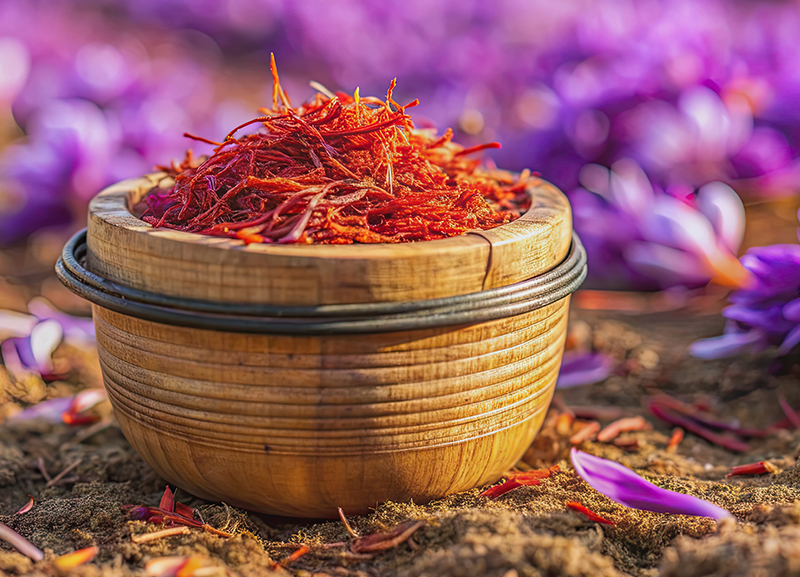
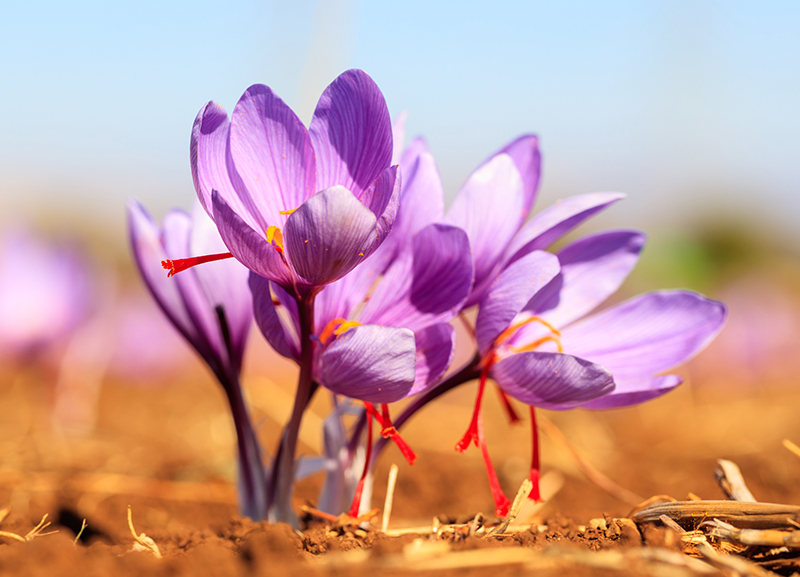
The word ‘saffron’ comes from the Arabic word ‘za‘farān’. Saffron has been used for over 3,000 years. The ancient Persians used it in textiles, perfumes and medicine. Cleopatra is said to have bathed in saffron-infused milk for its beautifying properties. In ancient India, saffron was used in rituals, Ayurvedic treatments and as a dye for royal garments. Kashmiri saffron is among the most renowned varieties globally and is even mentioned in texts dating back to the 4th century BCE.

Production in India
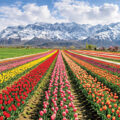
- The union territories of Jammu and Kashmir are the primary saffron-growing regions in India. Pampore in Kashmir is called the ‘Saffron Town of India’.
- Parts of Himachal Pradesh and Uttarakhand also grow saffron in smaller quantities.
- The GI-tagged Kashmiri saffron is prized for its deep colour, strong aroma and high crocin content, which is responsible for its colouring strength.
- Saffron harvesting is highly labour-intensive and must be done by hand, usually between October and November.
Culinary Uses
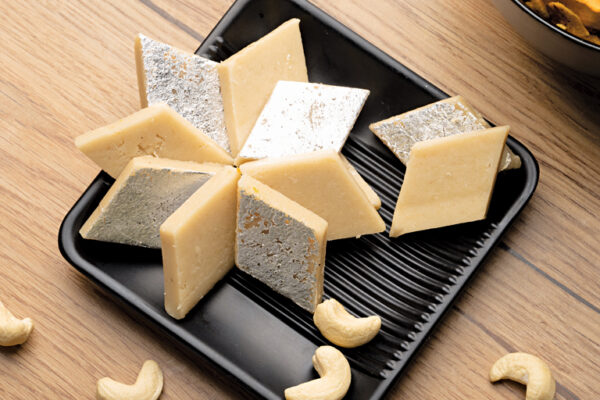
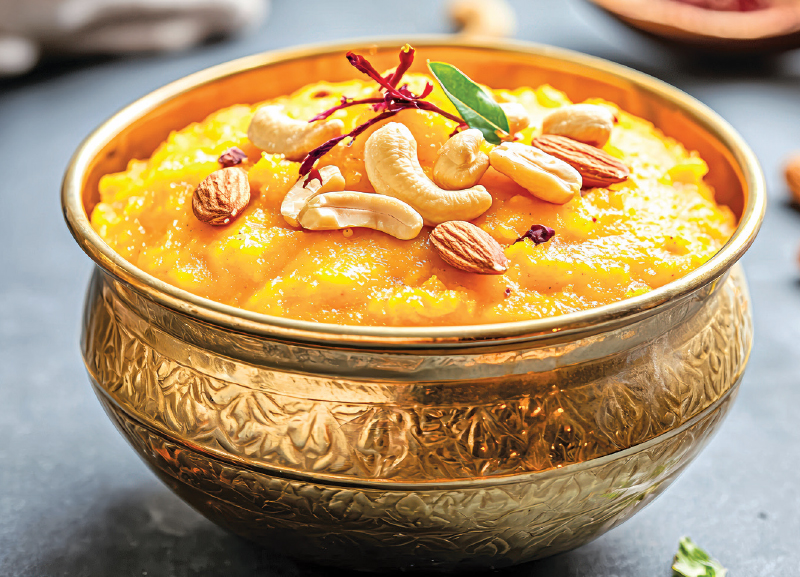
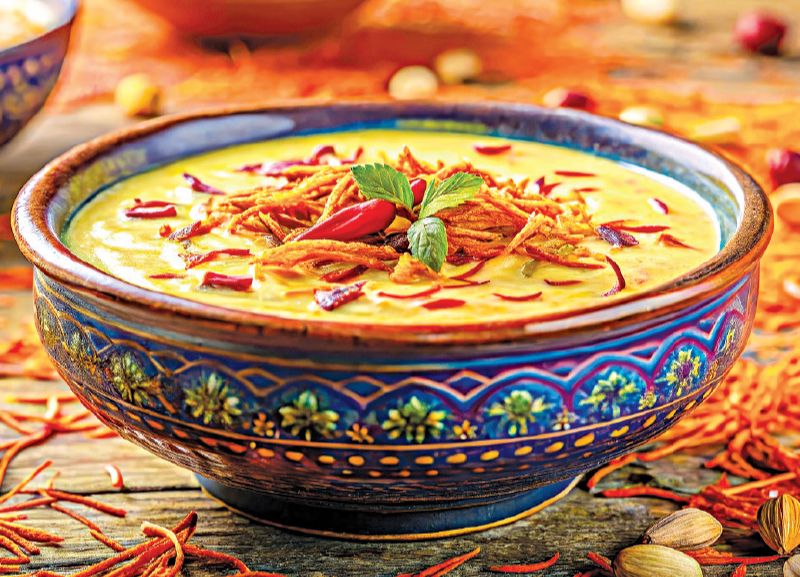
- Saffron is used in biryanis, halwas and milkbased sweets like kheer, kulfi, mango kesar burfi, shrikhand and kesar katli.
- Creamy rice-based desserts enriched with saffron for flavour are made during festivals like Dussehra, Diwali, Holi and Eid.
- In some royal Nawabi preparations, saffron is added to cashew- or cream-based gravies for dishes like shahi paneer, navratan korma or zafrani kofta curry.
- Globally, saffron flavours dishes like Spanish paella, Italian risotto, Persian stews and Middle Eastern teas.
Regional Specialities
- Kashmir: Used in kahwa (a traditional saffroninfused tea) and zafrani pulao.
- Hyderabad: Used to flavour zafrani biryani and kheer.
- Rajasthan and Gujarat: Added to sweets like ghevar and mohanthal.
- Iran and Afghanistan: Used in rice dishes, ice creams and even in meat-based kebabs and stews.

INTERESTING FACT
- Saffron has mood-boosting properties and in small doses, has been shown to help relieve mild depression.
- In Spain and Iran, saffron is often called ‘red gold’ due to its economic value.
- NASA has explored growing saffron in space.

RECIPE: RAVA KESARI

INGREDIENTS
- 1 cup semolina (rava)
- ½ to ¾ cup sugar
- ½ cup + 1 tablespoon clarified butter (ghee)
- 2½ cups water
- 20 saffron strands
- 2 teaspoons warm milk
- Lightly roasted cashews and raisins
- 1 teaspoon cardamom powder
METHOD
- Soak the saffron strands in warm milk for 2 to 3 hours.
- In a non-stick pan, add the ghee followed by the semolina.
- Roast the semolina on a low flame until it becomes aromatic (around 7 to 8 minutes).
- Once it is roasted and the ghee separates, add the water and mix.
- Cover with a lid for 2 minutes to let it absorb all the water.
- Now add the sugar and mix well.
- Add the dry fruits followed by the saffron milk.
- Mix everything well and cover it for a minute.p
- Just before turning the heat off, add a tablespoon of ghee and cardamom powder.
- Mix well and serve.
Warning: Ask a parent or adult to help with this recipe.
Recipe credit: Mayura Sidharth. You can reach her on
Instagram and Facebook @thetinytiffins
ACTIVITY: Word Search
Find 10 words related to saffron.

Share