
History:
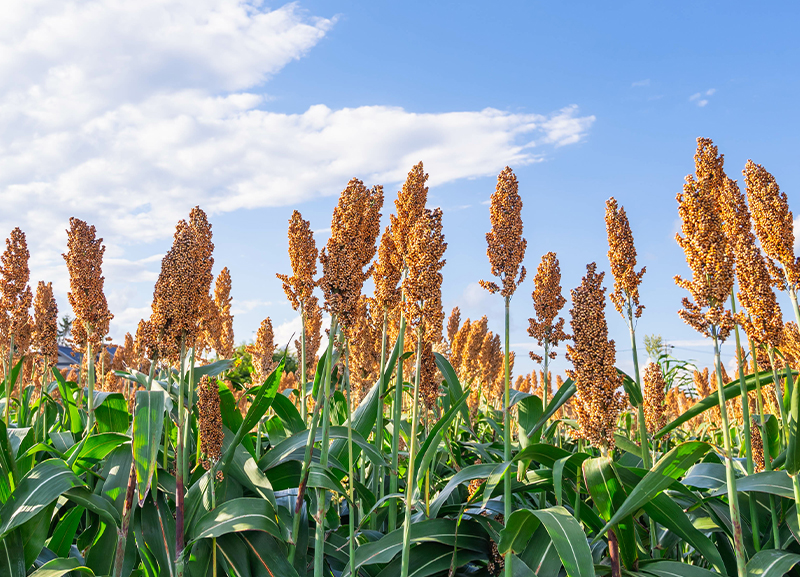
Jowar originated in Africa over 5,000 years ago, where it was first domesticated. From there, it spread to India and parts of Asia. It is a staple in rural and semi-arid areas. It is known for its resilience to heat and drought, making it a climate-smart crop ideal for dry regions, especially in places prone to droughts.

Production in India
- India is one of the largest producers of jowar. It is grown in Maharashtra, Karnataka, Andhra Pradesh, Madhya Pradesh and Rajasthan.
- It is mostly grown during the kharif (monsoon) and rabi (winter) seasons.
- Government schemes and millet promotion drives (especially under the International Year of Millets 2023) have boosted its production and visibility.
- Jowar is now used to make flour, flakes, noodles and even ready-to-eat snacks.
Culinary Uses
- Jowar is used as a gluten-free alternative in cakes, dosas, idlis, pancakes, pasta, muesli, millet energy bars and snack puffs.
- Popped jowar is also enjoyed like popcorn.
- Jowar is used in rotis and khichdi in tribal and folk traditions.
Regional Specialities
- Jowar Bhakri (Maharashtra): A staple made with hand-patted jowar flour dough, usually served with chutney, thecha (spicy and coarse chilli and peanut chutney) or pithla (made with gram flour).
- Sajjige Jolad Roti (Karnataka): A slightly sweet version of roti made with jaggery and ghee.
- Jowar Khichdi (Rajasthan): Jowar grains cooked with moong dal and minimal spices and served with ghee.
- Churma Laddoos (Rajasthan): Ladoos made by mixing jowar flour with jaggery and ghee.
INTERESTING FACT
- Jowar is the fifth most important cereal crop in the world.
- It is suitable for people with coeliac disease or wheat allergies.
- The entire jowar plant is useful—grains for food, stalks for fodder and biomass for biofuel.

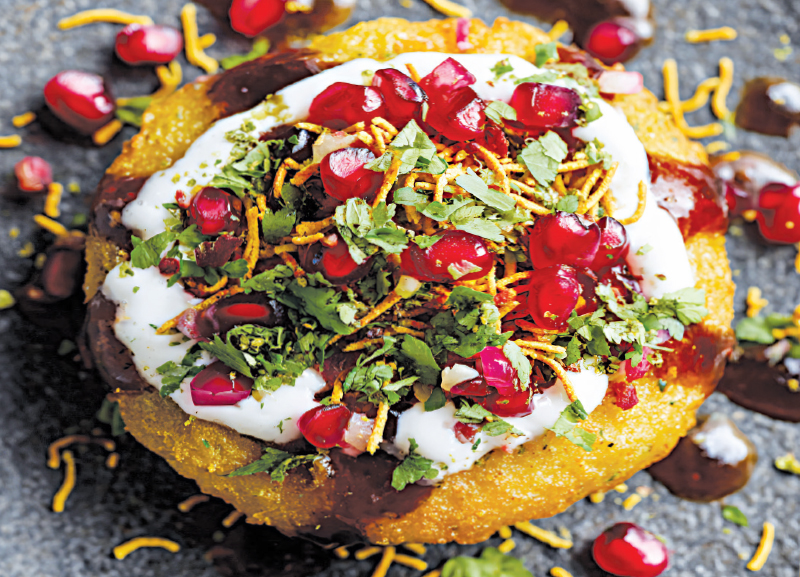
RECIPE: JOWAR TIKKI CHAAT

INGREDIENTS
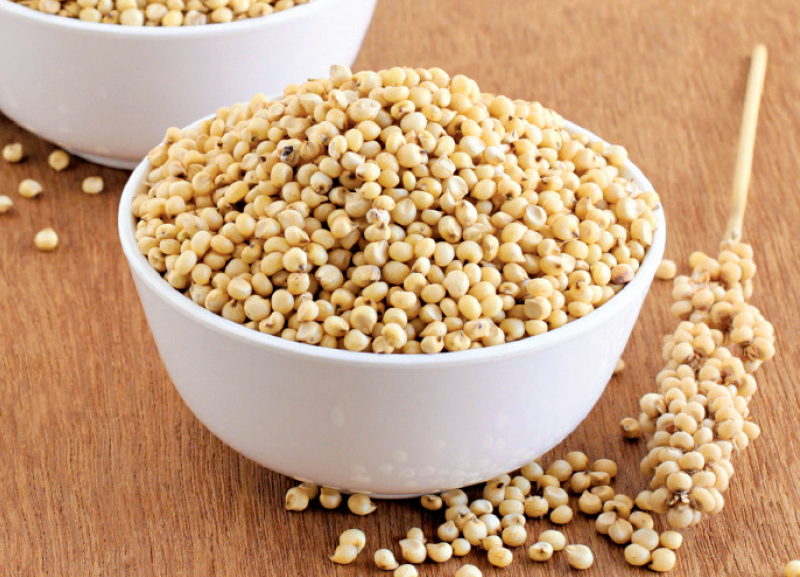
- 1 cup jowar grains (soaked overnight)
- 1 green chilli, chopped
- 1 onion, chopped
- 1 teaspoon ginger-garlic paste
- 1 tomato, chopped
- 1 teaspoon chaat masala
- ¼ teaspoon garam masala
- ¼ teaspoon cumin powder
- 2 tablespoons oil
- Salt to taste
TO GARNISH
- 4 teaspoons curd
- 1 teaspoon honey
- 2 tablespoons tamarind and jaggery chutney
- 1 cucumber, finely chopped
- 2 tablespoons each of pomegranate pearls, chopped grapes and roasted peanuts
- 1 tablespoon chopped coriander leaves
METHOD
- Pressure-cook the soaked jowar in salted water for around 5 to 6 whistles.
- Now, heat some oil in a wok and add the green chilli, onion and ginger-garlic paste and cook them well.
- Add the chopped tomatoes and cook for a bit. Then add the chaat masala, garam masala and cumin powder along with a little salt and the boiled jowar.
- Cover this and cook for another 5 minutes on a slow flame. Then turn off the flame and cool it down.
- Pulverise the cooled jowar mixture in a grinder to get a thick paste. Refrigerate for 10 minutes.
- Smear a warm pan with a little oil. With your damp hands, make small tikkis and cook them on both sides.
- Mix the honey in the curd.
- Place 4 tikkis on a plate and top them with the sweetened curd, tamarind chutney, cucumber, pomegranate pearls, grapes and peanuts.
- Finally, top with coriander leaves and serve immediately.
Warning: Ask a parent or adult to help with this recipe.
Recipe credit: Rakshita Dwivedi on Instagram @recipe_dabba
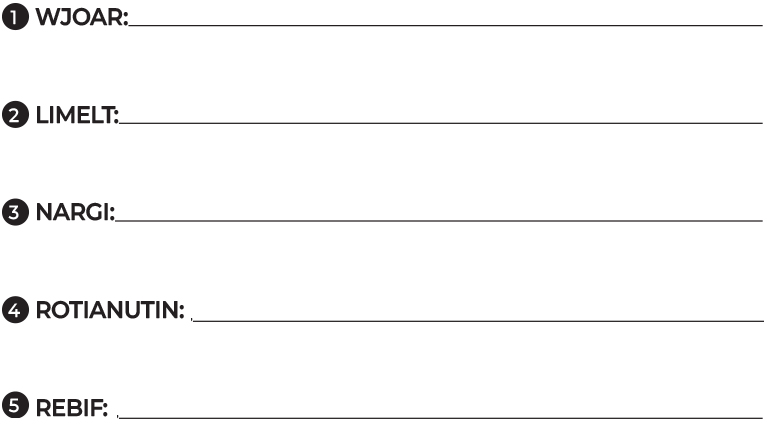
ACTIVITY: Millet Word Scramble
Unscramble the words related to jowar and other millets.

Share