
Moong Dal Cookies

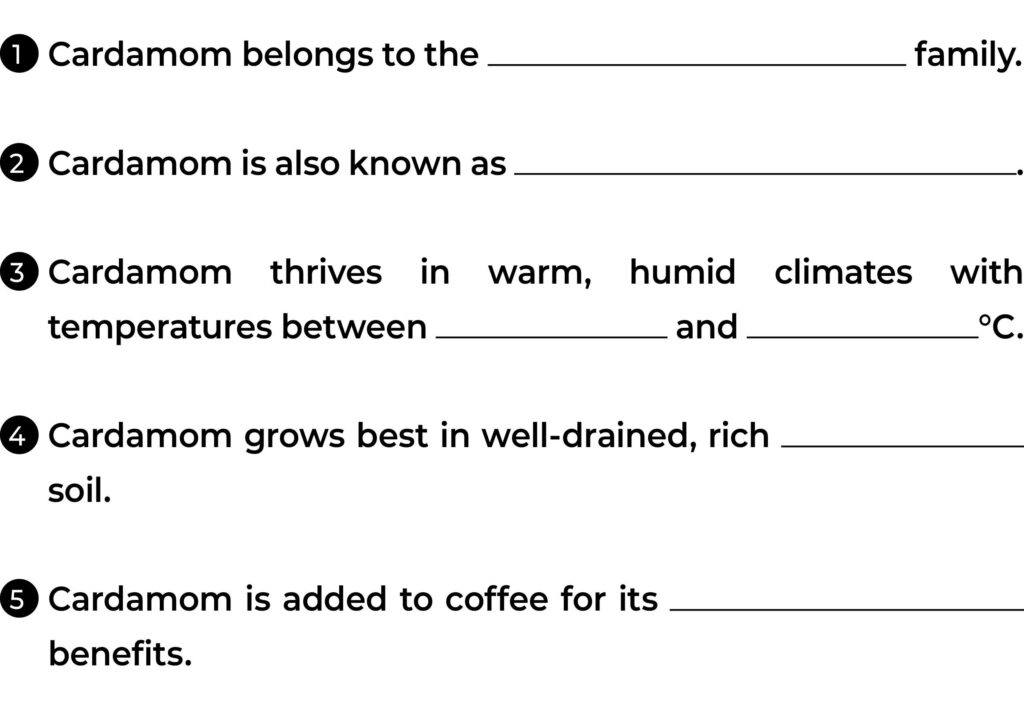
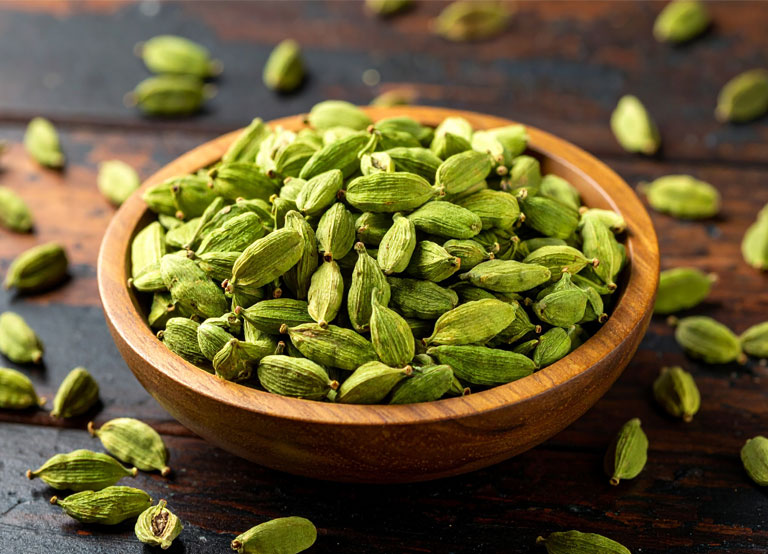
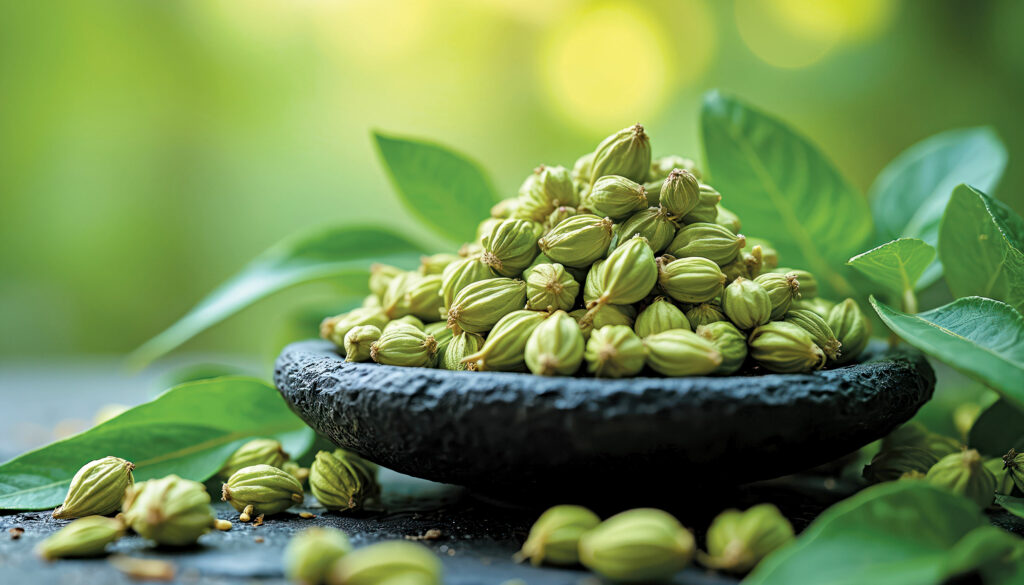
Cardamom is a highly aromatic spice from the ginger family (Zingiberaceae). Often called the Queen of Spices, cardamom is native to the tropical forests of South India and has been used for thousands of years in cooking, medicine and perfumery.

History:

Cardamom has been cultivated in the Western Ghats of India for over 2,000 years. It was prized in ancient India and featured in Ayurvedic texts for its digestive and medicinal properties. The spice travelled along ancient trade routes to the Middle East, Greece and Rome, where it was used to flavour food. During the medieval period, cardamom became one of the most valuable spices traded by Arab merchants. Today, this versatile spice remains a key ingredient in both Eastern and Western cuisines.

Cardamom Cultivation in India

  • India is one of the world’s leading producers of cardamom, with major growing regions in Kerala, Karnataka and Tamil Nadu.
  • Cardamom thrives in warm, humid climates with temperatures between 18 and 35˚C and requires shaded, forest-like conditions.
  • It grows best in well-drained, rich, loamy soil and is often cultivated under the canopy of taller trees.

Culinary Uses

  • Cardamom is used in both sweet and savoury dishes, adding warmth and fragrance.
  • Black cardamom, which has a smoky flavour, is used in biryanis, curries and slow-cooked dishes.
  • In Middle Eastern cuisines, cardamom is also added to coffee for digestive benefits.
  • In European baking, especially in Scandinavia, cardamom is used in breads, buns, cookies and cakes.
  • Green cardamom is commonly used in desserts, sweets, chai and baked goods.

Regional Specialities

  • Payasam (South India): A traditional milk based dessert scented with cardamom.
  • Patholi (Coastal Karnataka & Konkan): Rice dumplings steamed in turmeric leaves, flavoured with cardamom and jaggery.
  • Elaichi Chai (North India): Spiced tea flavoured with crushed green cardamom pods.
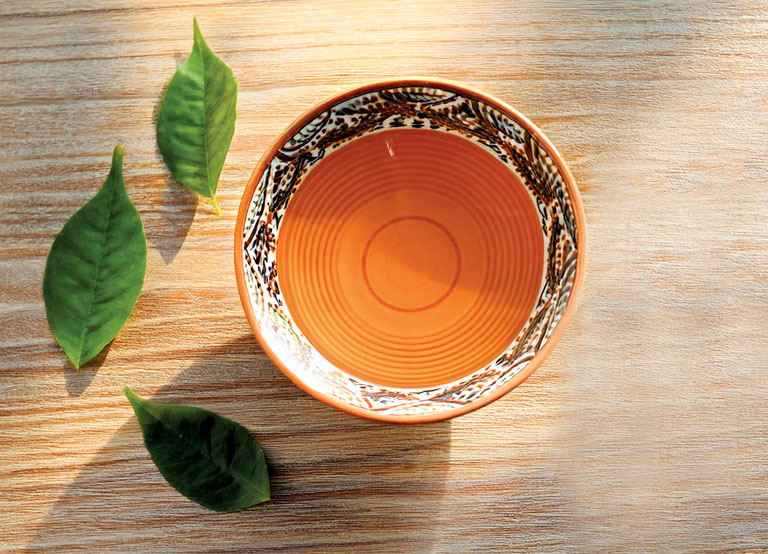
  • Kashmiri Kahwa (Kashmir): Green tea infused with cardamom, saffron and spices, traditionally served hot.
Kashmiri Kahwa

INTERESTING FACTS

  • Cardamom was once so valuable that it was used as a form of currency in some ancient trade markets. Even today, it is one of the most expensive spices in the world by weight.

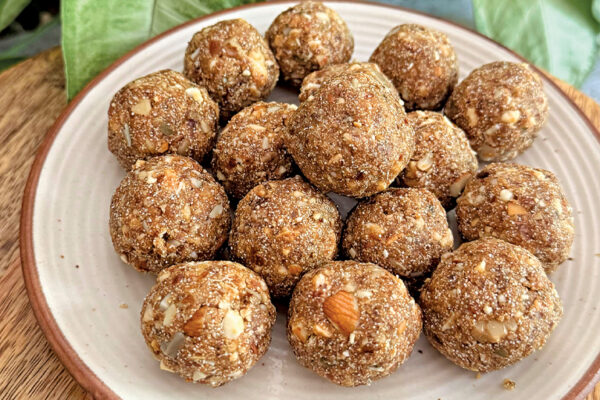
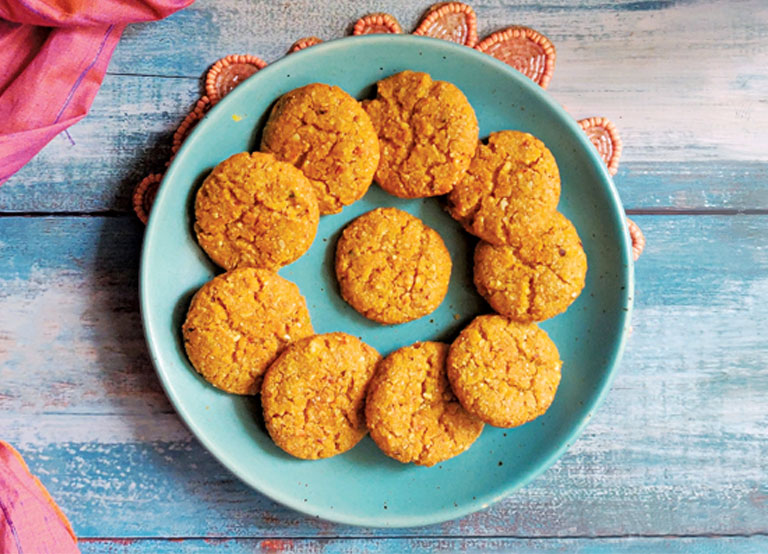
MOONG DAL COOKIES

INGREDIENTS

  • ¾ cup yellow moong dal
  • ¼ cup whole wheat flour
  • ⅔ cup coconut sugar
  • 10 almonds
  • 5 cashews
  • 5 pistachios
  • 4 cardamom pods 
  • ½ cup milk
  • ¼ teaspoon saffron
  • ½ teaspoon baking powder
  • ¼ teaspoon salt 
  • ¼ cup ghee

METHOD

  • Soak the moong dal for 2 hours and then drain it. Let the dal dry for 20 minutes.
  • Heat a pan and add 1 tablespoon of ghee. Add all the soaked dal and sauté for 15 minutes on a slow flame.
  • Cool it down and powder it in a mixer grinder. When it’s coarsely ground, add the nuts and cardamom. Grind it again till the nuts are coarsely ground.
  • In a bowl, mix the rest of the ghee with the coconut sugar and beat it till it becomes pale in colour.
  • Gradually add the moong dal powder, whole wheat flour, baking powder and salt and mix it well with your hands.
  • Heat the milk and add the saffron to it. Gradually add the milk to the mixture. The milk will help the dough come together.
  • Pre-heat your oven to 180˚C and grease a baking tray. Make small balls of the dough and flatten them a bit. Arrange these on the baking tray.
  • Bake the cookies for 15 minutes and then turn and bake them for another 2 minutes if using the convection mode. If using an OTG, you don’t need to turn the cookies over.
  • Cool and store in an airtight container.

Warning: Ask a parent or adult to help with this recipe. 

Recipe credit: Rakshita Dwivedi on Instagram @recipe_dabba

ACTIVITY: All About Cardamom

Fill in the blanks with the correct answers.

Bookmark(0)
Share
Want more exciting content like you see here?
Sign up now for RobinAge's FREE email newsletter
Want more exciting content like you see here?
Sign up now for RobinAge's FREE email newsletter
View a Sample Print Edition
Please fill in the form below to view a sample print edition
View a Sample Print Edition
Please fill in the form below to view a sample print edition
Struggling with lunchbox ideas?
Here's a free list of tiffin-friendly recipes from RobinAge
Struggling with lunchbox ideas?
Here's a free list of tiffin-friendly recipes from RobinAge
How can I help you?