
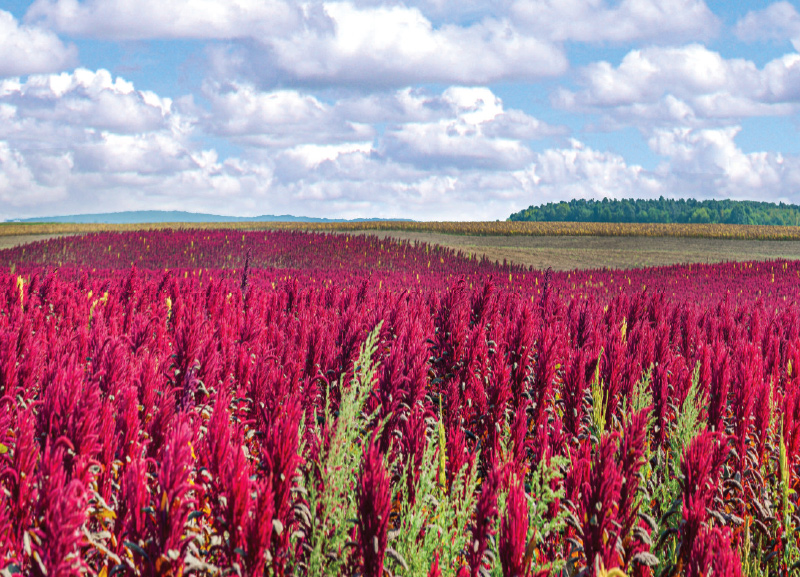
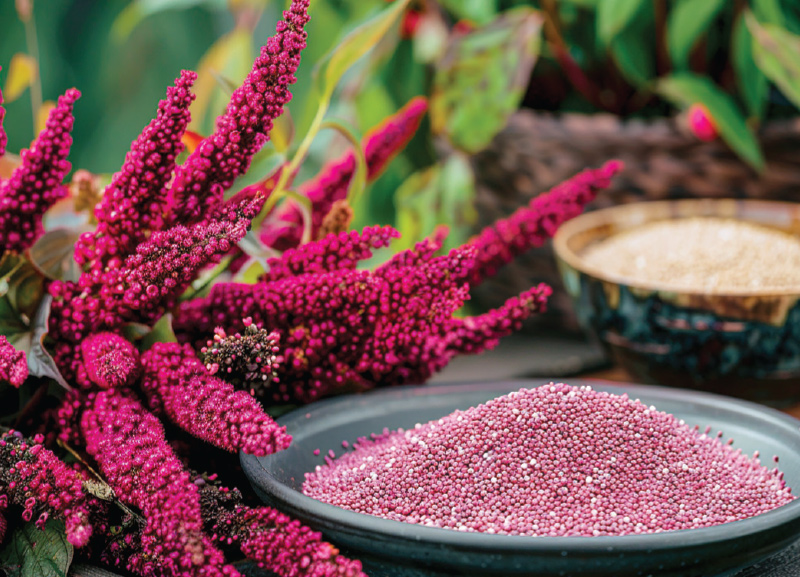
Amaranth
Amaranth, also called rajgira, is often grouped under the category of ancient grains, though technically, it is a pseudocereal, which means it is a seed from a non-grass plant that is used like a cereal grain. The amaranth plant is used for its leafy greens, also known as lal math or chaulai, and for its seeds, which are dried and puffed before use.

History:
Amaranth is native to Central and South America. It was considered sacred and used in rituals. It was also eaten as a staple food by ancient civilisations like the Aztecs and Incas. It has now been rediscovered as a superfood.
Amaranth Cultivation in India:
- Amaranth is grown across India, particularly in the states of Maharashtra, Gujarat, Tamil Nadu, Andhra Pradesh and Uttar Pradesh.
- It is primarily cultivated during the monsoon and winter seasons.
- It thrives in warm climates and is drought-tolerant, making it suitable for arid regions.
Culinary Uses:
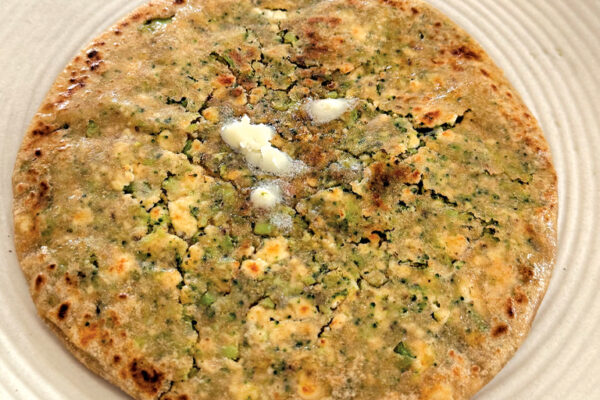
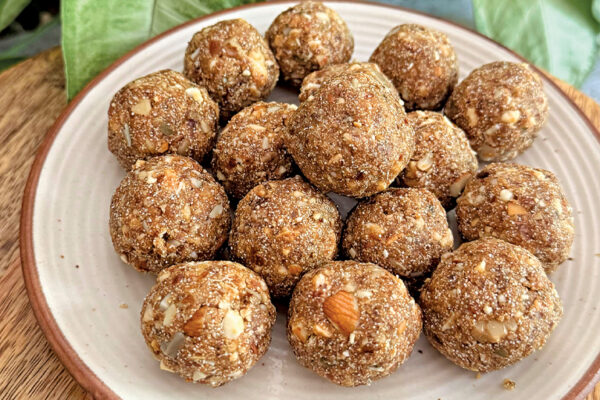
- Amaranth flour, also known as rajgira flour, is used to make chapatis, puris and laddoos, especially during fasting.
- A kheer is made from popped amaranth using milk, cardamom and sugar or jaggery.
- The fresh leaves of amaranth are used in stir-fries, dals and curries.
Regional Specialties:
- Saag (North India): A sauté made with amaranth leaves, garlic and spices.
- Thoran (Kerala): A dry vegetable dish made with amaranth greens and grated coconut.
- Pappu Thotakura (Andhra Pradesh): A lentil-based dish made with amaranth greens and dal.
INTERESTING FACT
Amaranth seeds are so small that a single plant can produce thousands of seeds.

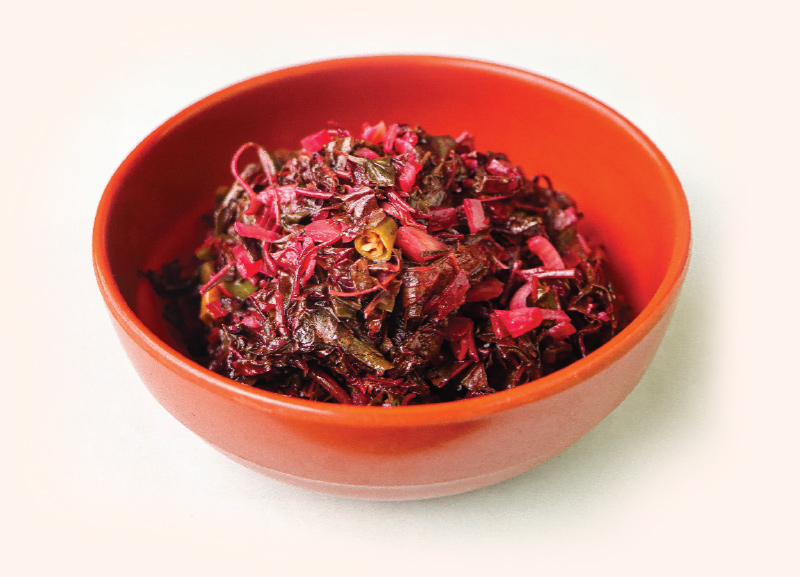
RECIPE: LAL MATH SAAG

INGREDIENTS
- 1 bunch lal math (red amaranth leaves)
- 4 cloves garlic, finely sliced
- 1 green chilli, chopped
- 1 small onion, finely chopped
- 1 tablespoon besan (gram flour)
- 1 teaspoon oil
- Salt to taste
- ¾ cup water
METHOD
- Wash the lal math thoroughly and soak it in water for 5 minutes to remove any dirt.
- Chop it finely and set it aside.
- Heat a pan and add the oil, garlic, chilli and onion. Cook till the onion is translucent, about 5 minutes.
- Stir in the besan and sauté for a minute.
- Finally add the chopped lal math and sprinkle some salt. Sauté for 2 minutes.
- Add the water and cover with a lid. Cook for 8 to 10 minutes or till the leaves soften.
- Uncover and allow any liquid left to evaporate. With a spatula, start mashing the leaves. This will make the leaves glisten and bring out their texture.
- Serve with hot jowar bhakri.
Warning: Ask a parent or adult to help with this recipe.
ACTIVITY: Know Your Supergrains!
List 5 facts about amaranth.