


Art History for Kids: Impressionism

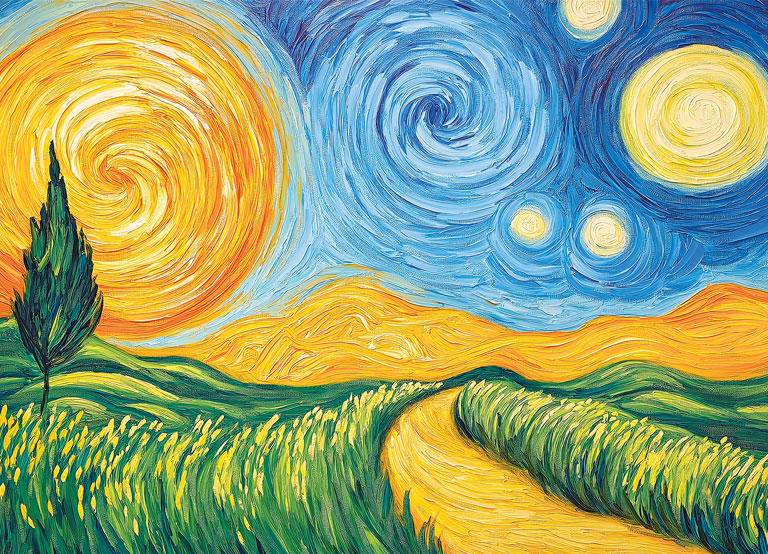
Impressionism emerged in the late 19th century in France and marked one of the most radical turning points in the history of modern art. At a time when artists were expected to paint historical scenes, religious stories or idealised portraits, Impressionists chose to capture everyday life— ordinary people, streets, gardens, cafés, rivers and moments that passed quickly. While earlier art movements focussed on precise detail and smooth finishes, Impressionism was concerned with how light, colour and atmosphere appeared at a specific moment. The aim was not to paint what something was, but how it felt to see it at that instant.


Origin of ImpressionismImpressionism developed in France during the 1860s and 1870s, a period of rapid social and technological change. Cities were expanding, railways connected towns, photography challenged traditional painting and new industrial pigments made brighter colours available. The
to read this article and more!
Want more exciting content like you see here?
Sign up now for RobinAge's FREE email newsletter
Want more exciting content like you see here?
Sign up now for RobinAge's FREE email newsletter
View a Sample Print Edition
Please fill in the form below to view a sample print edition
View a Sample Print Edition
Please fill in the form below to view a sample print edition
How can I help you?